Beef Product Line
Halter · 2026
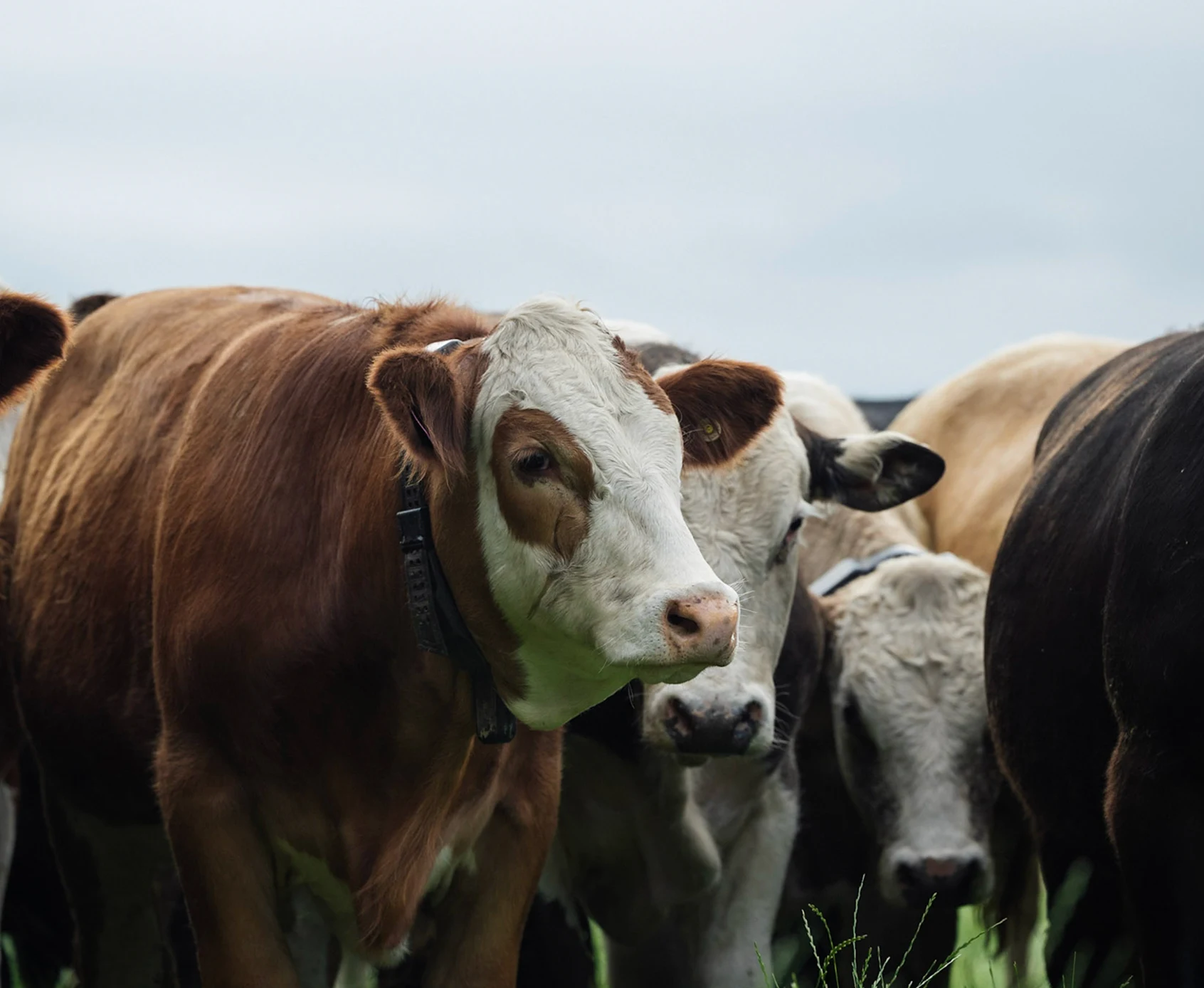
Bringing Halter’s virtual fencing and monitoring technology to beef operations across New Zealand, Australia, and the US required adapting the platform for fundamentally different operational scales and herd dynamics.
I led the 0-to-1 product design for Halter’s expansion into beef farming, translating a dairy-first platform into workflows that could support fundamentally different farming operations across New Zealand, Australia and the US. This required defining new product models for mob management, feed demand and reproduction rather than simply adapting existing dairy interfaces.
Designing for Scale
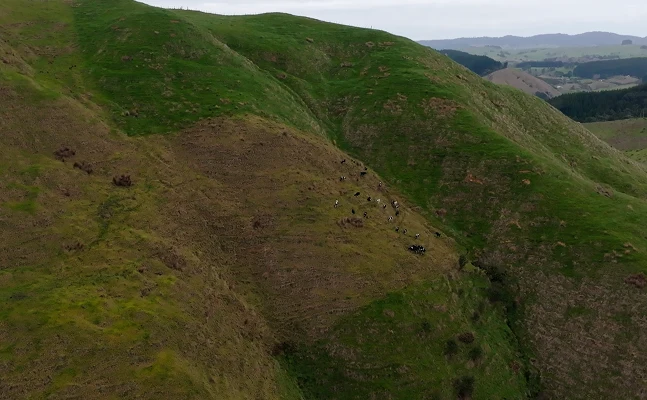
Beef farming places greater emphasis on managing cattle collectively at scale. While mobs already existed within Halter, there was no dedicated way to understand a mob as a whole.
I introduced the Mob Profile as a new product surface, bringing key information about a mob into one place and creating a foundation for behaviour, feed, reproduction and future beef workflows.
- Fragmented Herd Data: App navigation only offered flat lists of individual cattle, making it difficult to assess overall mob health, feed requirements, or breeding status at a glance.
- Uncertain Feed Allocations: When drawing a break on the map, farmers had no real-time way to know if the allocated area provided enough pasture for their target grazing, leading to accidental overgrazing or underfeeding.
- Invisible Breeding Windows: Tracking bull exposure and cow cycling meant relying on physical notebooks, making it hard to identify empty cows or pregnancy rates early.
Establishing the Mob Profile
To solve the lack of mob-level visibility, I designed the platform’s first Mob Profile. Previously, mob views were just flat lists of individual cows - there was no architectural home for aggregated mob data.
- Centralised Mob Hub: Built a dedicated page that aggregates high-level operational data - surfacing feed demand metrics, and reproduction analytics for breeding mobs.
- Scalable Information Architecture: Designed a modular UI pattern that adapts based on mob type, giving farmers instant, contextual controls without cluttering the interface.
The Feed Demand Calculator
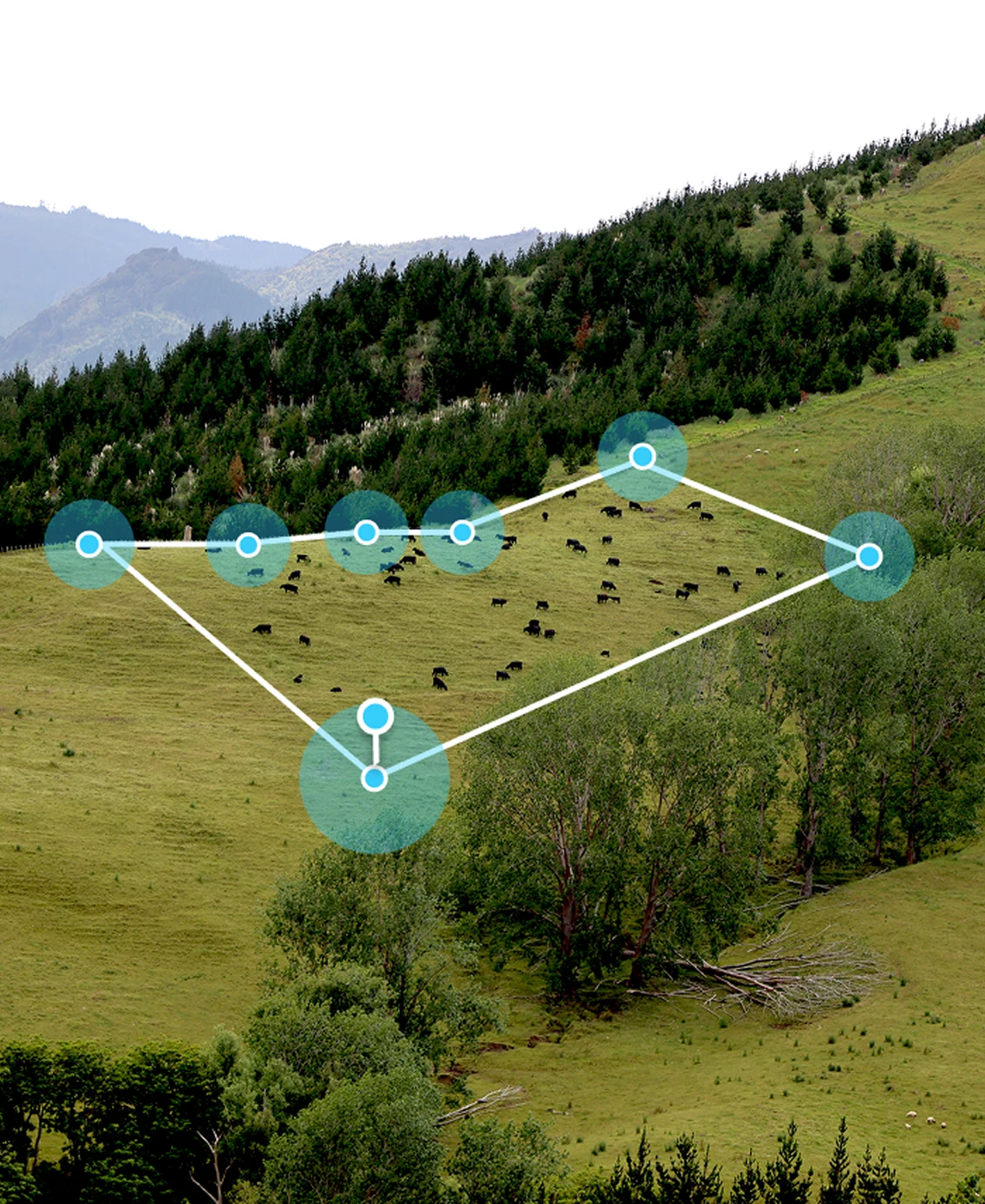
When farmers draw a new paddock break, knowing the land area isn't enough. They need to know if that specific boundary holds enough feed for their herd.
- Target Intake Sizing: Integrated feed demand calculations directly into the break-drawing tool, automatically matching mob size and animal weight to total feed requirements.
- Break Duration Feedback: Provided instant visual feedback while drawing a break on the map, telling farmers whether the enclosed area satisfies their planned grazing duration before setting up their virtual fence.
Reproduction Suite
For breeding mobs, tracking reproductive performance is critical to farm profitability. I designed a comprehensive reproduction suite that combines bull exposure dates with Halter’s behavioural models to automate pregnancy tracking.
- Bull Exposure Tracking: Allowed farmers to log bull join and removal dates directly against the mob to anchor behavioural detection models.
- Heat Detection & Cycling Charts: Created visual charts tracking cycling activity, helping farmers monitor herd readiness and heat returns across the mating window.
- Mating Season Performance: Designed an integrated view showing current bull status alongside a seasonal performance chart. This broke down herd fertility across key stages, Estimated In-Calf, Exposed on Heat, and Returned Open/Empty - giving farmers clear visibility into how their mating season was progressing long before manual preg-testing.
Unlocking Global Beef Markets
Adapting Halter for beef operations opened up a massive new market, and became a key driver for the company’s international growth.
- Winning US & Australian Farms: By replacing dairy-heavy assumptions with tools built specifically for beef cattle, we made the product relevant to large-scale beef operations in key international markets.
- Scaling to 1.5 Million Collars: Solving these core workflows helped drive Halter’s growth from 500,000 to over 1.5 million collars under management, proving the platform could scale beyond traditional dairy farms.
- Fuelling Company Growth: Demonstrating strong product-market fit across global beef operations gave Halter the track record needed to secure its Series E funding round.
Beef Product Line
Halter · 2026
Bringing Halter’s virtual fencing and monitoring technology to beef operations across New Zealand, Australia, and the US required adapting the platform for fundamentally different operational scales and herd dynamics.
I led the 0-to-1 product design for Halter’s expansion into beef farming, translating a dairy-first platform into workflows that could support fundamentally different farming operations across New Zealand, Australia and the US. This required defining new product models for mob management, feed demand and reproduction rather than simply adapting existing dairy interfaces.
Designing for Scale
Beef farming places greater emphasis on managing cattle collectively at scale. While mobs already existed within Halter, there was no dedicated way to understand a mob as a whole.
I introduced the Mob Profile as a new product surface, bringing key information about a mob into one place and creating a foundation for behaviour, feed, reproduction and future beef workflows.
- Fragmented Herd Data: App navigation only offered flat lists of individual cattle, making it difficult to assess overall mob health, feed requirements, or breeding status at a glance.
- Uncertain Feed Allocations: When drawing a break on the map, farmers had no real-time way to know if the allocated area provided enough pasture for their target grazing, leading to accidental overgrazing or underfeeding.
- Invisible Breeding Windows: Tracking bull exposure and cow cycling meant relying on physical notebooks, making it hard to identify empty cows or pregnancy rates early.
Establishing the Mob Profile
To solve the lack of mob-level visibility, I designed the platform’s first Mob Profile. Previously, mob views were just flat lists of individual cows - there was no architectural home for aggregated mob data.
- Centralised Mob Hub: Built a dedicated page that aggregates high-level operational data - surfacing feed demand metrics, and reproduction analytics for breeding mobs.
- Scalable Information Architecture: Designed a modular UI pattern that adapts based on mob type, giving farmers instant, contextual controls without cluttering the interface.
The Feed Demand Calculator
When farmers draw a new paddock break, knowing the land area isn't enough. They need to know if that specific boundary holds enough feed for their herd.
- Target Intake Sizing: Integrated feed demand calculations directly into the break-drawing tool, automatically matching mob size and animal weight to total feed requirements.
- Break Duration Feedback: Provided instant visual feedback while drawing a break on the map, telling farmers whether the enclosed area satisfies their planned grazing duration before setting up their virtual fence.
Reproduction Suite
For breeding mobs, tracking reproductive performance is critical to farm profitability. I designed a comprehensive reproduction suite that combines bull exposure dates with Halter’s behavioural models to automate pregnancy tracking.
- Bull Exposure Tracking: Allowed farmers to log bull join and removal dates directly against the mob to anchor behavioural detection models.
- Heat Detection & Cycling Charts: Created visual charts tracking cycling activity, helping farmers monitor herd readiness and heat returns across the mating window.
- Mating Season Performance: Designed an integrated view showing current bull status alongside a seasonal performance chart. This broke down herd fertility across key stages, Estimated In-Calf, Exposed on Heat, and Returned Open/Empty - giving farmers clear visibility into how their mating season was progressing long before manual preg-testing.
Unlocking Global Beef Markets
Adapting Halter for beef operations opened up a massive new market, and became a key driver for the company’s international growth.
- Winning US & Australian Farms: By replacing dairy-heavy assumptions with tools built specifically for beef cattle, we made the product relevant to large-scale beef operations in key international markets.
- Scaling to 1.5 Million Collars: Solving these core workflows helped drive Halter’s growth from 500,000 to over 1.5 million collars under management, proving the platform could scale beyond traditional dairy farms.
- Fueling Company Growth: Demonstrating strong product-market fit across global beef operations gave Halter the track record needed to secure its Series E funding round.